
מערכת W@LTER BENJAM!N
In the current era, where docu reality remains one of the few genres capable of genuinely captivating and provoking audiences, we are granted a seemingly endless view into lives beyond our own. I use the phrase seemingly endless deliberately, because this is no longer a fleeting glimpse but a continuous immersion. Carefully orchestrated camera crews brush against a form of curated intimacy, sometimes to the point of distortion, creating the impression that they follow their subjects even as they reach for the refrigerator door in the middle of the night. It is documentation that aspires to become interpretation. Against this backdrop comes Netflix's new series, Being Gordon Ramsay, which premiered on February 18, 2026, as a six episode documentary series. It promises to reveal the life of one of the world's most celebrated chefs, while also serving as an examination of the delicate balance between truth and appearance, television and haute cuisine, and the man himself versus the larger than life persona he has carefully crafted.
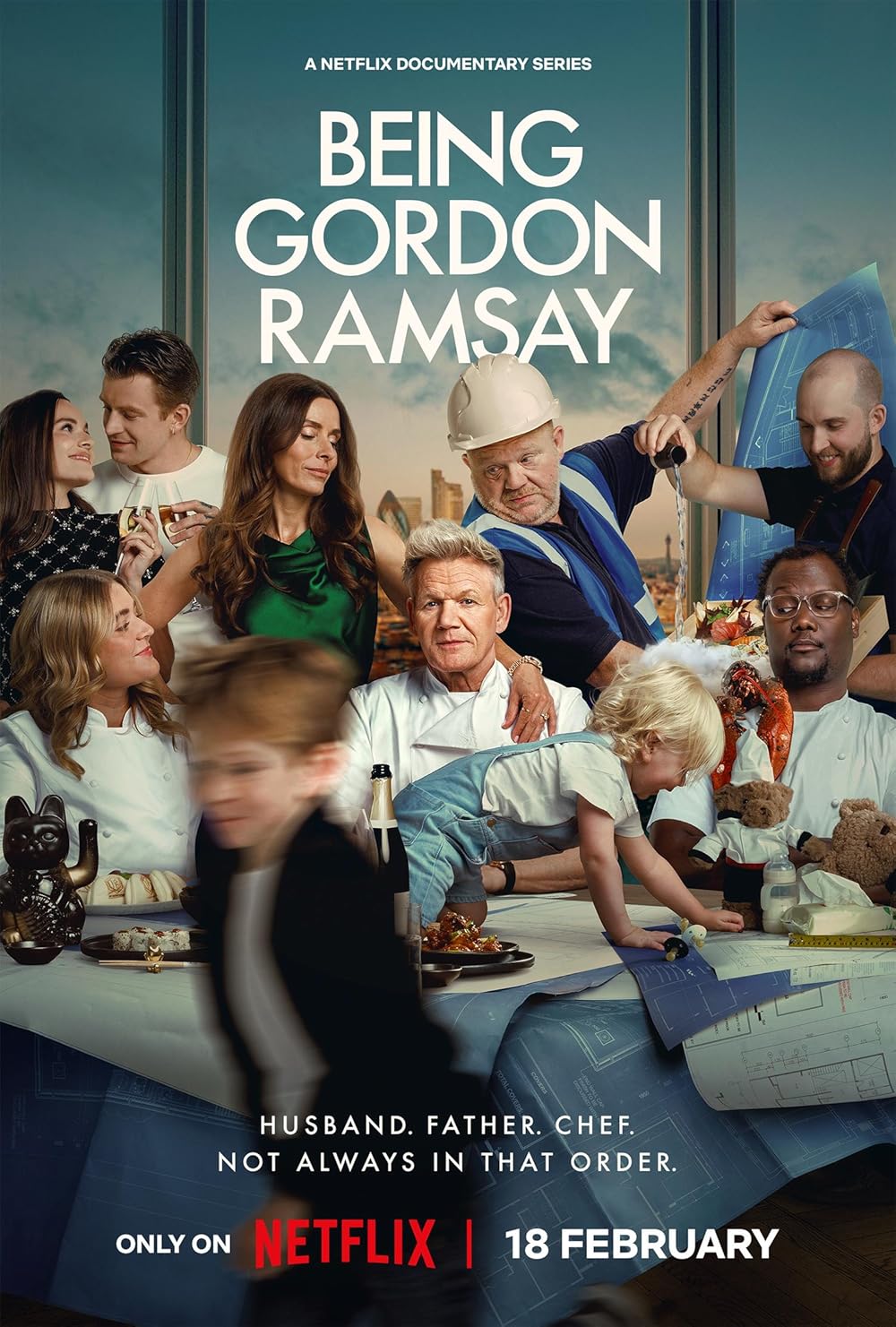
Ramsay, who over the years evolved from a culinary icon into a creator, businessman, and performer in his own right, has become a cultural phenomenon that feels almost permanent, nearly mythological. For three decades he has moved between screens, between “Hell’s Kitchen” and culinary journeys across the world. The American version of “Hell’s Kitchen” first premiered on May 30, 2005, and has effectively been running for nearly twenty one consecutive years across twenty four seasons filmed in specially built production facilities throughout the United States. His signature persona is instantly recognizable. The rough edged British chef who never filters his profanity in front of cameras, the man who explodes at cooks because a risotto arrived seconds too late, yet somehow still manages, time after time, to create the feeling that he is more authentic than everyone else. Perhaps because his anger always appears rooted in genuine passion for the craft, or perhaps because he understood very early that television has always loved personalities larger than life.
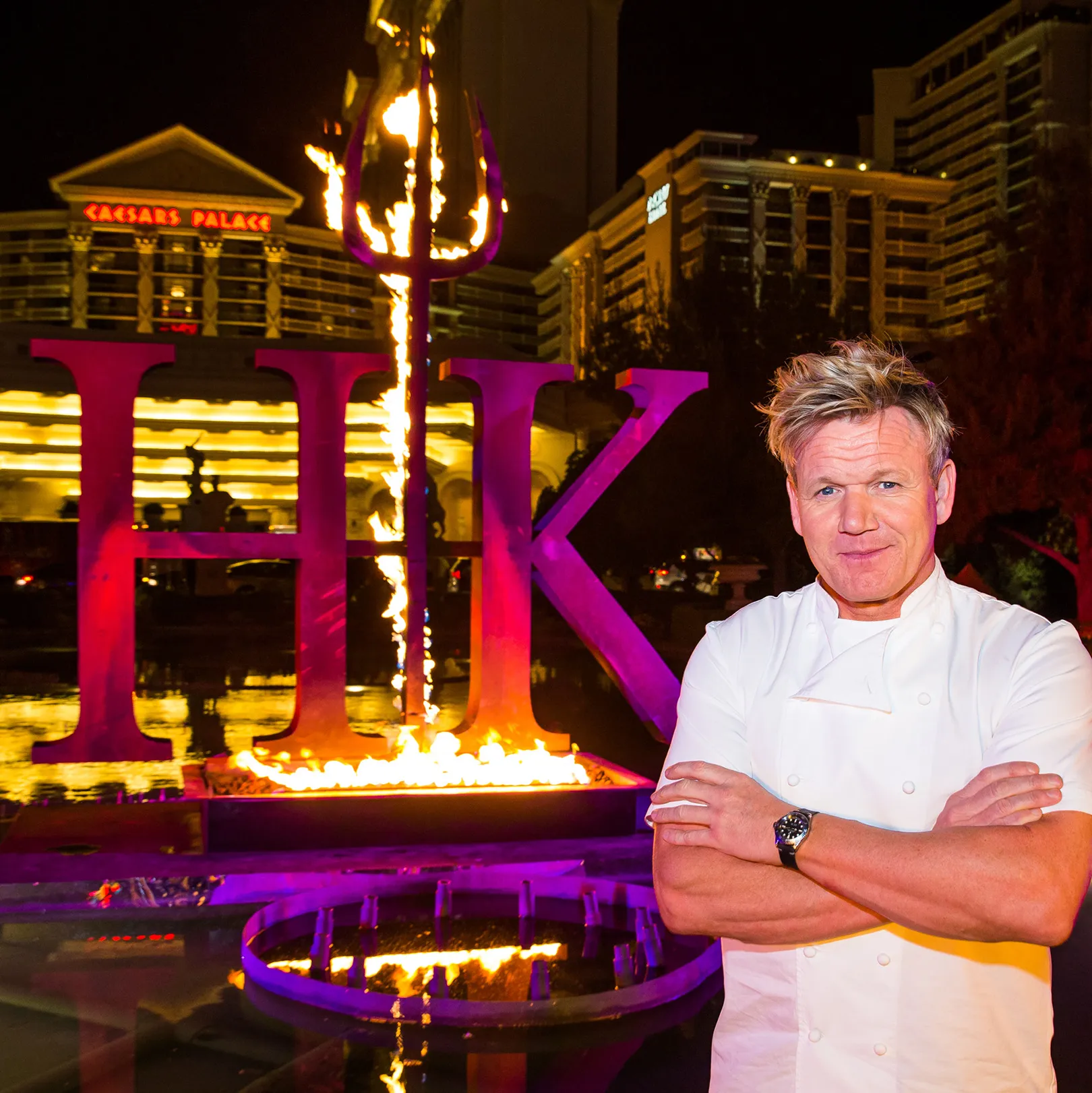
Yet in “Being Gordon Ramsay”, it feels as though the camera is no longer documenting him. It has become an inseparable part of his operational mechanism. Throughout the series, his managers and production teams are constantly seen documenting every moment, filming, editing, planning, surrounding him as though the entire experience were a campaign permanently broadcasting live. Even when the series attempts to manufacture spontaneity, it unintentionally reveals another truth. Ramsay is not simply a man living in front of cameras. He is a man managing his life through cameras.
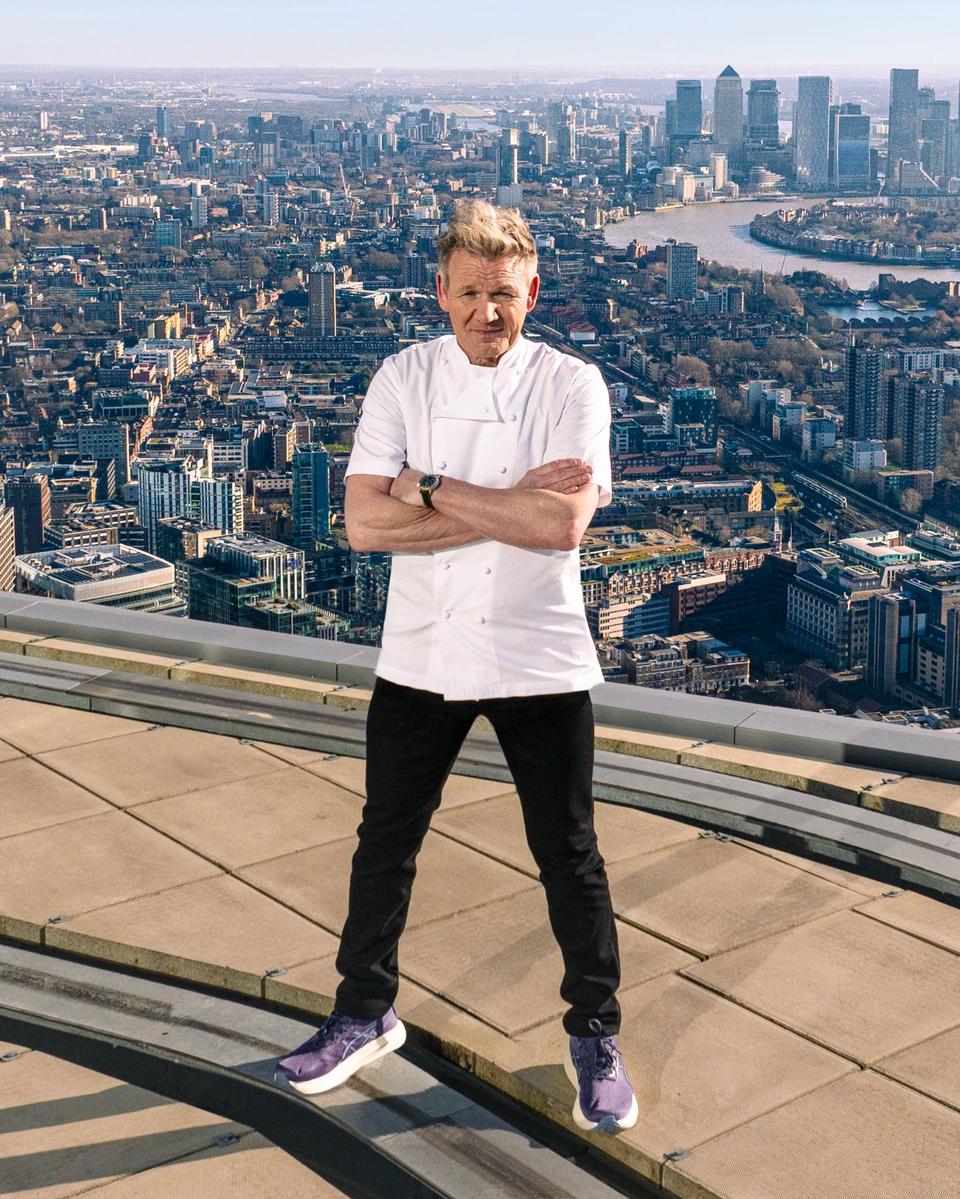
This becomes especially apparent surrounding the opening of his new restaurant complex at 22 Bishopsgate in London. On the surface, the story presents itself as one about pressure, family, and the personal dream of a man who built an empire. But as the episodes progress, it becomes increasingly clear that what we are witnessing is an almost shameless marketing spectacle, one that barely even attempts to hide behind the documentary disguise. Ramsay himself openly admits this when he enthusiastically explains how every camera filming a car entering the Formula 1 pit lane will also capture the name “Gordon Ramsay”, because his restaurant is positioned directly there. It is an almost astonishingly honest moment. Instead of pretending this is about art, emotion, or a “personal journey”, he exposes the financial motive directly, almost cynically, yet with undeniable charisma.
And perhaps this is the series’ most fascinating point. Any other public figure who sounded this calculated, this commercial, this aggressively branded, would risk alienating audiences. With Ramsay, the opposite occurs. Precisely because he is so blunt about his financial ambitions, audiences seem to forgive him in advance. He openly admits that exposure is the goal. He feels no embarrassment about the fact that the cameras serve his businesses. He even proudly demonstrates his understanding of influencer culture when he decides to soft launch the restaurant exclusively through content creators and social media influencers. At one point, he almost provocatively declares that they matter more today than any traditional food critic still operating in the industry. Even reviews of the series itself have already pointed out that it often resembles a glossy promotional film for his new restaurant venture far more than an intimate documentary.
It is a small statement, but one that encapsulates an entire era. A world in which TikTok and Instagram are no longer secondary marketing tools, but the central systems determining who survives culturally and who disappears. Ramsay understands this perfectly. He no longer courts newspaper food critics, but people who film a dish for seven seconds before uploading it to Instagram Reels with techno music layered underneath. And precisely because he understands the mechanics of contemporary visibility better than most, he remains culturally relevant.
Even the supposedly personal moments within the series feel absorbed into the same machinery. For example, when he takes his family to a Formula 1 race and the show attempts to connect the experience to his childhood memories of secretly watching race cars as a boy. On the surface, it is framed as an emotional sequence, an attempt to reveal the child hidden inside the global restaurateur. Yet even here it becomes difficult to ignore the feeling that every emotional beat has been repackaged as part of a larger public relations narrative. Formula 1, the restaurant, the cameras, the sponsorships, the sentimentality, all collapse together into the same glossy spectacle where the boundary between childhood memory and business promotion barely exists anymore.