

טור דעה: ER@N YERM!YA
Over the past decade, the American music industry has experienced a genuine cultural shift, one that includes the growing dominance and normalization of Black music created by African American artists. Genres such as hip-hop, trap, mumble rap, and their various subgenres have gradually moved from the periphery of the music industry to its cultural and commercial core.
Admittedly, such a grand statement about a “revolution” in the music industry might justify an entire essay or even a doctoral dissertation on its own. Yet the claim remains important, and in my view it must be acknowledged whenever we discuss American music in the twenty-first century. So what exactly is happening inside this musical revolution? Violent and power-driven discourse voiced by both men and women dominates the lyrical landscape, alongside a longing for a kind of unreal, almost pornographic sexuality. Lyrics frequently revolve around bodies, sex, drugs, and weapons, all delivered through the double meanings and linguistic playfulness of the English language, and embedded within the highly polished cinematic aesthetics of the music videos produced for these songs.
At the end of June, YouTube’s Trending: Music page one of the most influential indicators of contemporary music consumption published its weekly list of the thirty most viewed music videos. Twenty-two of them were created by African American artists, representing more than seventy percent of the list. Names such as Doja Cat, Lil Baby, Tory Lanez, and Kodak Black appeared alongside veteran figures like T-Pain and Bruno Mars, all sharing the same digital stage.
The artist who led the chart in first place and appeared in several additional positions on the list at the same time was the rapper DaBaby. The twenty-nine-year-old artist, born in Ohio and later based in North Carolina, is signed to Interscope Records, a highly successful label that also represents artists such as Lady Gaga. Interscope itself belongs to Universal Music Group, one of the three major record conglomerates that dominate the American music industry.
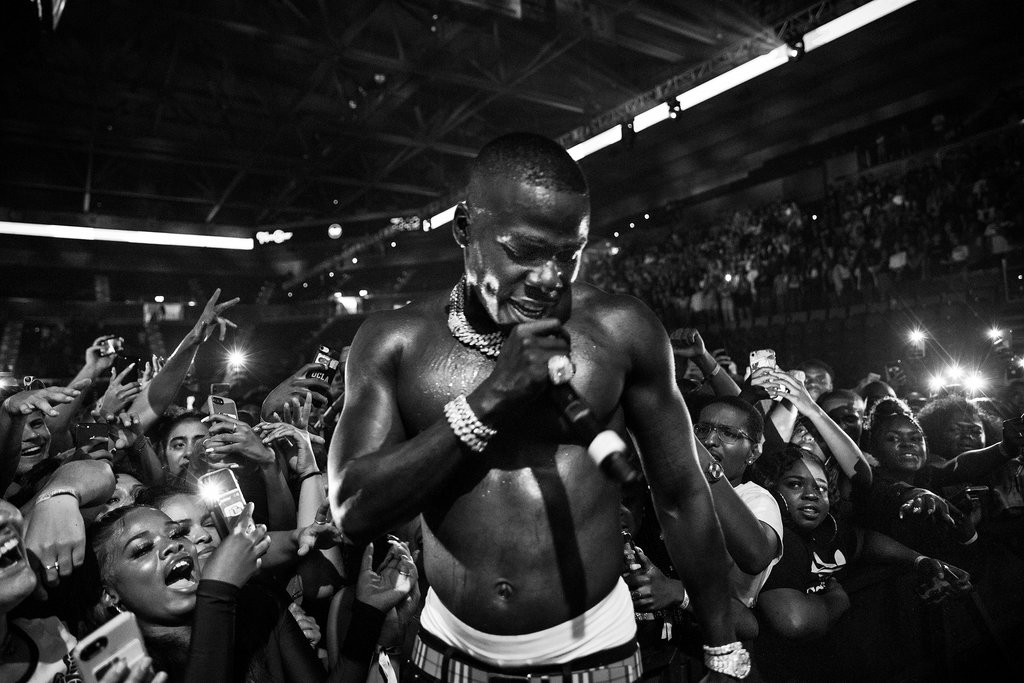
The rapper’s popularity is evident in the fact that he was nominated for five Grammy Awards across last year and this year, and at the end of June he released a track titled Ball If I Want To. The word “ball” in this context does not refer simply to a ball, but derives from the slang term ballin’, which generally describes a lifestyle of extreme wealth and the public display of that wealth. The term originally emerged from basketball culture, where it was used to describe a highly skilled and successful player, and over time it evolved into a broader cultural symbol of success, money, and status.
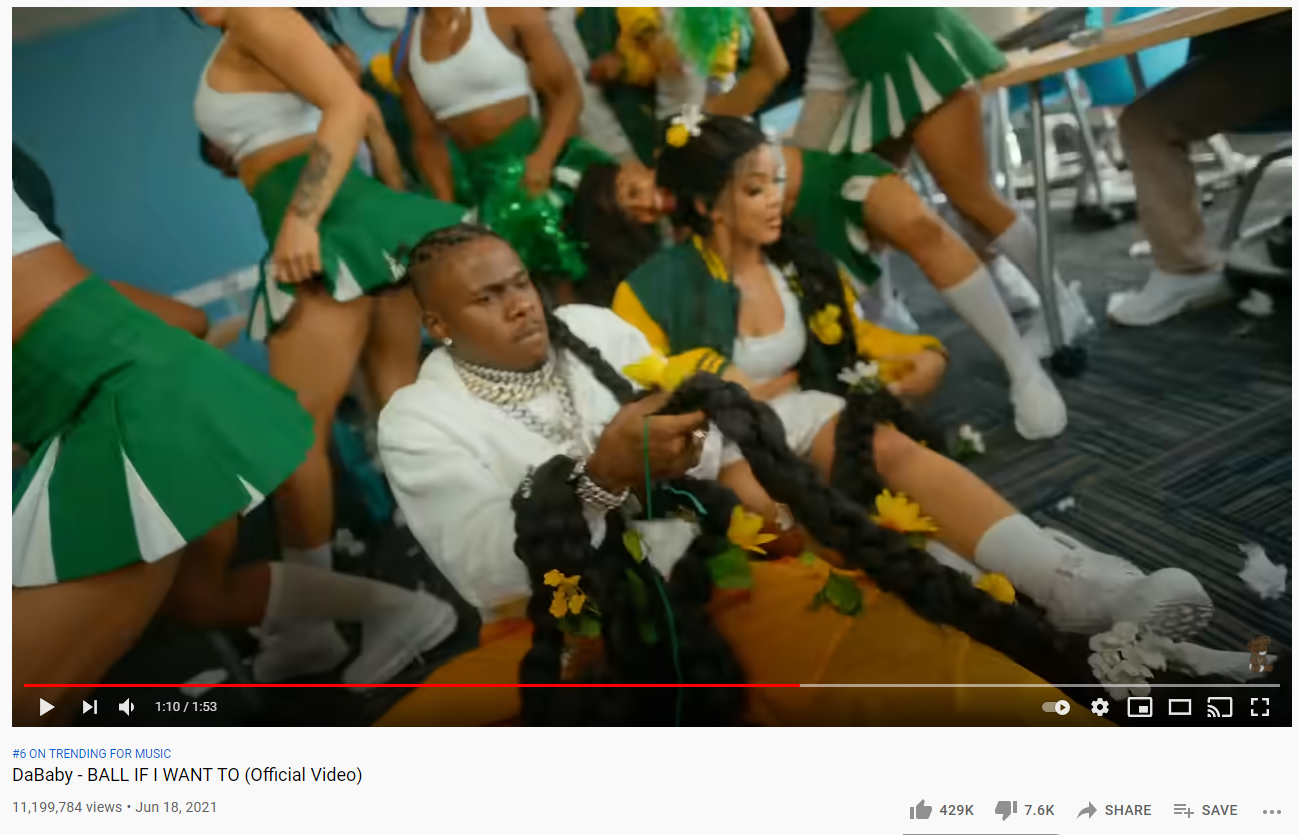
In the lyrics of the song, which was ranked sixth on the list, the rapper describes his desire to sleep with a woman whose long hair resembles that of Rapunzel from the famous children’s fairy tale. Yes, a children’s story opularized by major studios such as Disney is now being rewritten in a far more sexualized form within the giant studios of Universal and under their commercial logic, in order to fit the image and narrative of the rapper DaBaby. In this new version, Rapunzel is presented as a sexualized figure, and the lyrics portray a dynamic of dominance and control, expressed through a language of power that at times borders on verbal aggression.
" Hop out that bitch with that iron in my jumpsuit (let's go)
Just do what I say and I love you, 'kay "?"
The twenty-nine-year-old rapper delivers his lyrics almost as if reading from a checklist, explaining to the listener that he intends to “jump on the bitch with the metal stick in my pants”—the “metal stick,” of course, being a thinly veiled metaphor for his sexual prowess and that this same woman must do as he tells her. In return, he promises that he will “love” her an arrangement that presents itself as affection but is clearly framed as a form of aggressive conditionality rather than romance.
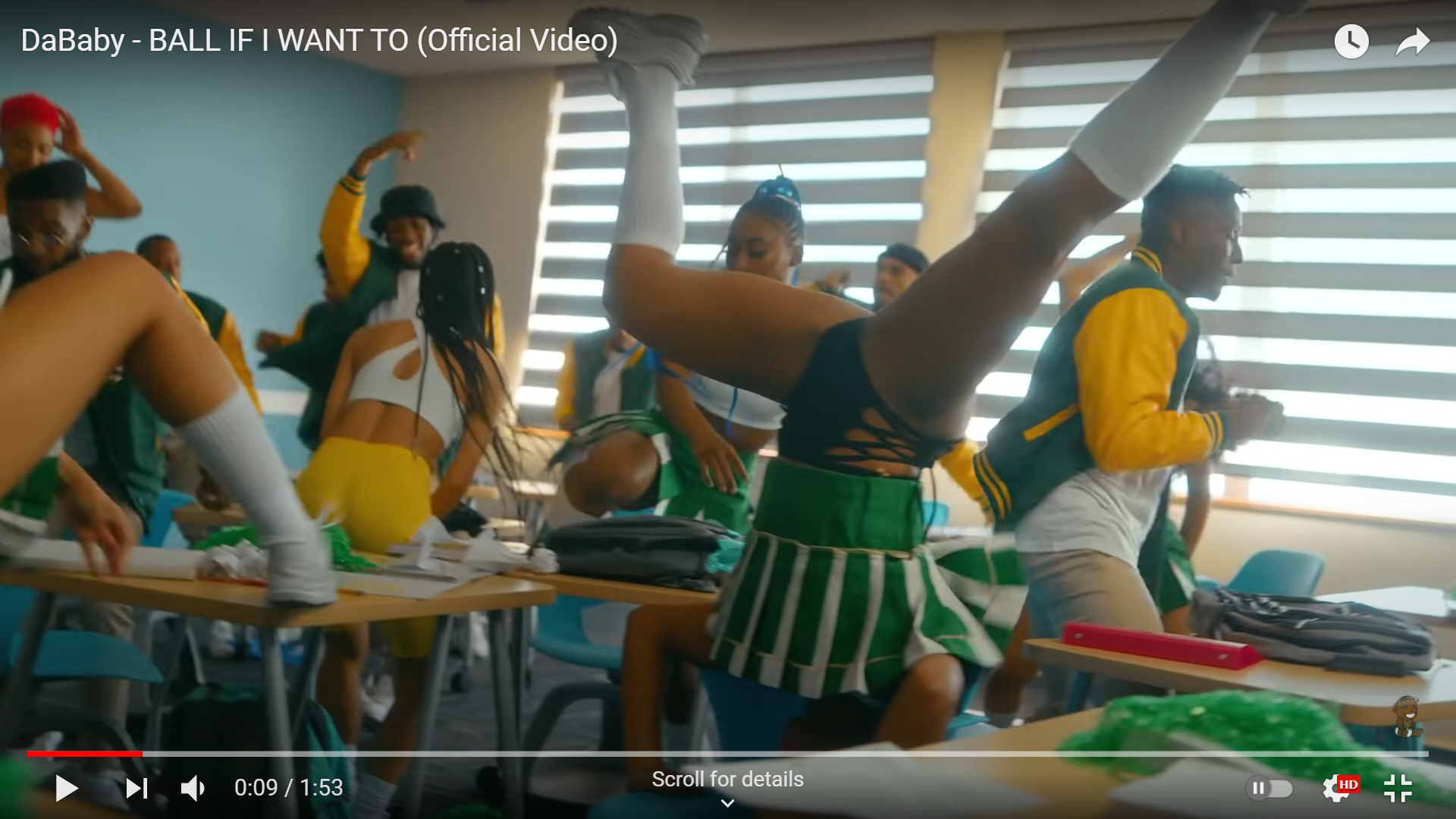
Throughout the song, this chorus repeats itself, and the lyrics are reinforced by the visual aesthetics of the music video, which features women dancing nude with long hair extensions styled to resemble Rapunzel’s iconic hair. Alongside these images, the rapper repeatedly emphasizes that he only wants to be with a woman who is willing to invest time and effort into maintaining her hair like Rapunzel’s turning the fairy-tale figure into a visual and lyrical symbol shaped by contemporary pop aesthetics, consumer culture, and the language of desire.
"Tonight, I wanna fuck a Rapunzel".
כלומר – הראפר דה-בייבי דורש במילים האלו ממש: "הלילה אני רוצה לזיין מישהי בדמות של רפונזלIn other words, the rapper DaBaby is effectively saying in these lyrics: “Tonight I want to Fuck" with someone who looks like Rapunzel. And if that implication were not clear enough, the artist continues to explain his intentions to the listeners in increasingly explicit and direct terms, leaving very little room for ambiguity. The fairy-tale character is no longer a symbol of innocence, isolation, or romantic rescue, but is instead reimagined as a hyper-sexualized figure shaped by contemporary pop culture, male fantasy, and the commercial aesthetics of the modern music industry.
"Ain't fucking her right, you ain't pullin' her hair, yeah (bitch-ass nigga)"
-
Those who do not fully understand English, or for whom it is not a native language, such as much of Europe, where the song and the rapper are widely consumed, and certainly here in the Middle East as well can easily sink into the rhythmic musical production, the heavy drums characteristic of contemporary hip-hop, and simply enjoy the way DaBaby delivers rapid-fire rap over a catchy melody, with a clear and precise vocal performance.
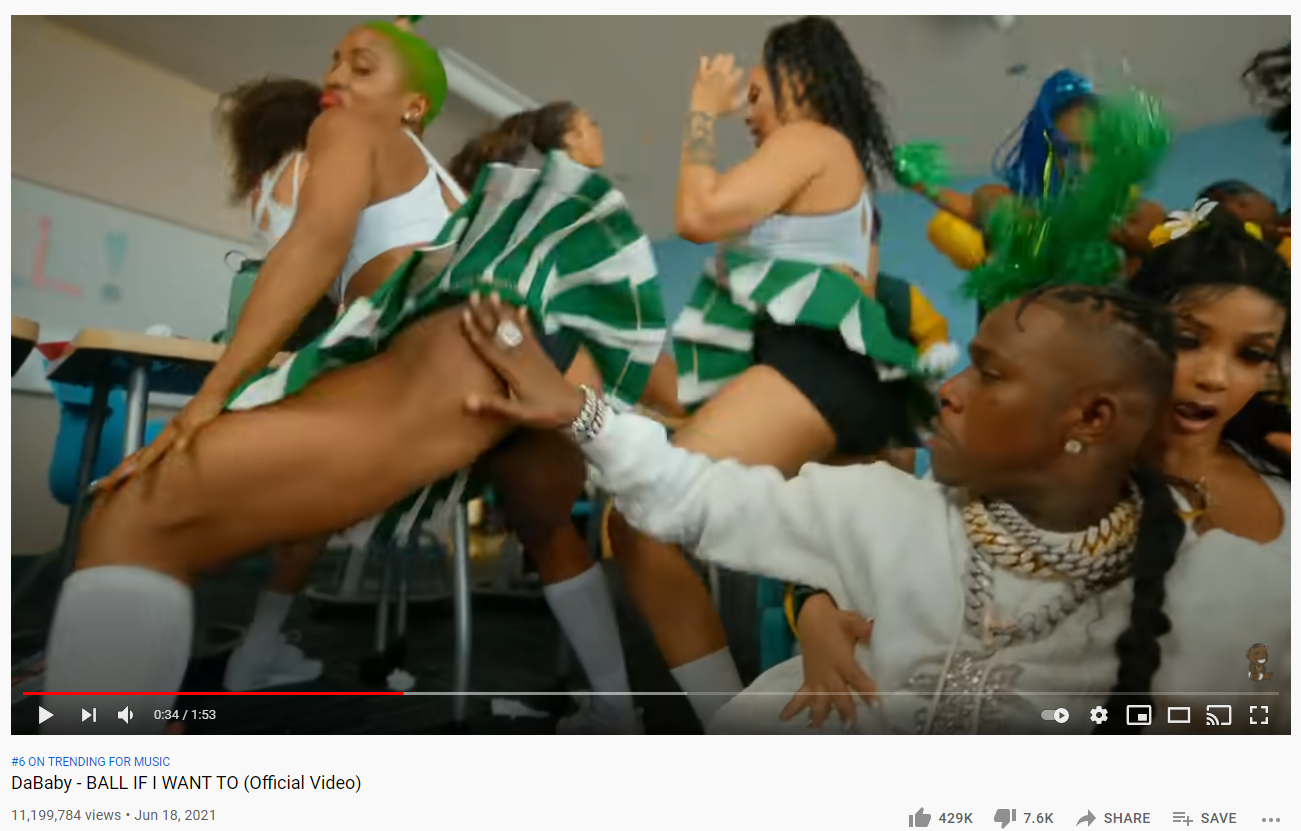
But at the heart of the matter lies a song that points to the social danger embedded within it. This is a song approved and distributed by Universal, one of the largest and most influential record companies in the world, promoted to the top of global charts through a carefully produced music video, and upon its commercial release it reached sixth place on YouTube’s most viewed music videos chart. And this is not an isolated case.
This is precisely the “revolution” I referred to at the beginning of this essay: a radical shift in the content of song lyrics and in the growing normalization of explicitly sexual, almost pornographic themes in popular music, presented to listeners first to American youth and almost immediately afterward to international audiences as something entirely normal and culturally acceptable.
So which version of Rapunzel do you prefer?